

5 Strategies for Excelling in B2B Customer Relationship Management Let’s discover five powerful strategies to excel in B2B customer relationship management and outrank your competitors and learn how personalization, effective communication, exceptional support, trust and transparency, and continuous improvement can drive business growth. Introduction Welcome to our comprehensive guide on managing B2B customer relationships. In this article, we will dig into five demonstrated procedures that can assist your business with succeeding in B2B client relationships with the board (CRM) and outperforming your rivals. By executing these systems, you can cultivate more grounded associations with your B2B clients, upgrade client devotion, and eventually drive business development. So, let’s get started! Strategy 1: Personalize Your Approach One of the key aspects of effective B2B CRM is personalization. Tailoring your interactions and communications to the specific needs and preferences of each customer can make a significant impact on your relationships. By understanding their unique challenges, goals, and pain points, you can offer targeted solutions that resonate with them. Actionable Tips: Conduct thorough research on your B2B customers to gain insights into their industries, competitors, and market trends. Utilize customer relationship management software to track and analyze customer data, enabling you to customize your approach effectively. Segment your customer base based on common characteristics or needs and develop personalized communication strategies for each segment. Consistently draw in your B2B clients through customized messages, calls, or up close and personal gatherings to exhibit your obligation to their prosperity. Strategy 2: Foster Effective Communication Channels Clear and efficient communication is the lifeblood of successful B2B relationships. Providing your customers with multiple communication channels and ensuring timely responses will enhance their satisfaction and strengthen your partnerships. Actionable Tips: Establish a dedicated support team that promptly addresses customer queries and concerns. Implement a ticketing system or customer portal that allows customers to track the progress of their requests. Influence different correspondence channels, like email, telephone, live talk, and video conferencing, to oblige your clients’ inclinations. Regularly solicit feedback from your B2B customers to gain insights into their experiences and identify areas for improvement. Strategy 3: Offer Exceptional Customer Support Superior customer support can set your business apart from competitors and build long-term loyalty. By prioritizing customer satisfaction and resolving issues swiftly, you can nurture strong B2B relationships that endure challenges and foster growth. Actionable Tips: Train your customer support team to be knowledgeable, empathetic, and responsive. Implement a robust ticketing or case management system to efficiently handle customer issues and escalations. Establish service level agreements (SLAs) that outline response times and resolution targets, ensuring a consistent customer experience. Provide self-service resources, such as knowledge bases or FAQs, to empower customers to find solutions independently. Free webinar: Receive free advice that will keep you from making mistakes. Reserve your seat for a free webinar Strategy 4: Cultivate Trust and Transparency. In the B2B landscape, trust is a critical factor in establishing and maintaining successful relationships. By demonstrating transparency, reliability, and ethical business practices, you can instill confidence in your customers and differentiate your brand. Actionable Tips: Be transparent about your products, services, pricing, and terms and conditions. Create and maintain serious areas of strength and morals that line up with your client’s qualities. Provide testimonials, case studies, or success stories that highlight your track record and showcase your expertise. Regularly communicate updates, changes, or challenges that may impact your customers, fostering a transparent and collaborative partnership. Strategy 5: Continuous Improvement and Innovation To stay ahead in the competitive B2B landscape, it’s crucial to continuously improve your offerings and embrace innovation. By demonstrating a commitment to evolution and adapting to changing market dynamics, you can position yourself as a valuable partner to your customers. Actionable Tips: Conduct regular reviews and assessments of your products, services, and customer experience to identify areas for enhancement. Stay updated with industry trends and emerging technologies, exploring how they can benefit your customers. Foster a culture of innovation within your organization, encouraging employees to contribute ideas and solutions that drive customer value. Collaborate with your B2B customers to co-create new products or services, fostering a sense of ownership and shared success. Join 10k+ Entrepreneurs To get valuable free insights deliver straight to your inbox Related Posts B2B Sales Cracked! In-Depth Analysis & Tips How To Convert Leads into Customers Mastering B2B Sales Automation In conclusion By implementing these five strategies for B2B customer relationship management, you can elevate your business and outrank your competitors in Google search results. Remember, effective personalization, clear communication, exceptional support, trust and transparency, and continuous improvement are key pillars for building successful B2B relationships. Embrace these strategies, adapt them to your unique business context, and watch your customer relationships flourish. Best of luck on your journey to B2B CRM excellence! Ready to take your B2B CRM to the next level? Contact Salesamore now to discuss how our tailored solutions can help you foster stronger customer relationships and drive business success!
10 Tips for SMB Success in B2B:Advice from Experts
10 Tips for SMB Success in B2B: Advice from Experts It can be tricky for small and medium-sized businesses (SMBs) to compete with larger businesses that have bigger budgets & more resources in the B2B market. However, success is not out of reach for SMBs in the B2B space. With the right sales strategy, sales system, sales skills, sales automation, and sales process optimization, along with effective sales enablement, lead generation, and customer acquisition tactics, SMBs can excel in B2B. In this Blog Post, we’ll provide expert advice on 10 tips for SMB success in B2B. 1. Build a sales strategy For SMBs operating in the B2B sector, having a sales strategy is essential. Your sales strategy should outline your goals, target market, competition, value proposition, and unique selling points. It should also define your sales process, including how you will qualify leads, how you will close deals, and how you will manage customer relationships. 2. Implement a sales system: Having a well-defined sales system is essential for SMBs in B2B. A CRM (customer relationship management) system that helps you to monitor leads, deals, and customer interactions should be a part of your sales system. It should also include a sales pipeline that helps you visualize your sales process and identify areas where you can improve. 3. Improve your sales skills: Sales skills are critical for SMBs in B2B. Your sales team should be trained on how to effectively communicate your value proposition, handle objections, and close deals. They should also be proficient in using your sales system and be able to identify opportunities to upsell or cross-sell. 4. Automate your sales process: Automation can save time and improve efficiency for SMBs in B2B. Consider automating tasks such as lead nurturing, email follow-ups, and data entry. Automation can also help you identify opportunities and prioritize leads based on their engagement. 5. Refine your sales process: Improving your sales process will allow you to recognise inefficiencies and potential opportunities for growth. To identify bottlenecks and areas where your conversion rates might be elevated, examine your sales data. Consider implementing a lead scoring system to help you prioritize your leads based on their likelihood to convert. Free webinar: Receive free advice that will keep you from making mistakes. Reserve your seat for a free webinar 6. Offer sales enablement: By giving your sales staff the resources and tools they need to be successful, sales enablement can help them be more productive. This can include sales training, product information, and customer testimonials. Consider creating a sales playbook that outlines your sales process and best practices. 7.Generate leads: Lead generation is essential for SMBs in B2B. Consider about combining inbound and outbound techniques, such as paid advertising, social media marketing, email marketing, and content creation Identify your target audience and create content that addresses their pain points and challenges. 8. Manage your sales pipeline: Managing your sales pipeline is critical for SMBs in B2B. Use your CRM system to track the progress of deals and identify areas where you can improve your sales process. Consider implementing a sales forecasting system that helps you predict your revenue and identify areas where you may fall short. 9. Acquire customers: Acquiring customers is essential for SMBs in B2B. There should be consideration given to a wide range of techniques, including content marketing, email marketing, social media marketing, and referral marketing. Identify your ideal customer and create targeted campaigns that speak to their needs and challenges. 10. Coach and train your sales team: Coaching and training your sales team is essential for SMBs in B2B. To help your sales staff develop their skills and expertise, give them constant training and coaching. Use your CRM system to track their progress and identify areas where they may need additional support. Join 10k+ Entrepreneurs To get valuable free insights deliver straight to your inbox Related Posts B2B Sales Cracked! In-Depth Analysis & Tips How To Convert Leads into Customers Mastering B2B Sales Automation:Unlocking Efficiency & Growth In conclusion In conclusion, SMBs in B2B can achieve success by implementing the right sales strategy, sales system, sales skills, sales automation, and sales process optimization, along with effective sales enablement, lead generation, and customer acquisition tactics. SMBs can boost their sales performance, boost their revenue, and compete with larger businesses in the B2B market by taking the advice of industry professionals presented in this Blog post. It’s important to keep in mind that utilising these tactics alone won’t ensure success in the B2B market. Additionally, it requires regularly assessing and enhancing your sales performance, remaining aware of market and client demand changes, and staying current with industry trends and best practices. Remember, sales success in B2B is a journey, not a destination. It demands commitment, diligence, and an openness to learning and adapting. But with the right mindset and strategies, SMBs in B2B can achieve great things and grow their businesses to new heights.
Mastering B2B Sales Automation
Mastering B2B Sales Automation:Unlocking Efficiency & Growth In today’s fast-paced business landscape, B2B sales teams face increasing pressure to streamline processes, boost productivity, and achieve remarkable growth. The advent of B2B sales automation has presented businesses with a transformative solution that enables them to optimize their operations, nurture valuable relationships, and make data-driven decisions. In this comprehensive blog, we will delve into the world of B2B sales automation, exploring its immense potential & providing practical insights for successful implementation. Read it as we unlock the power of automation & unveil the strategies that will empower your organization to surpass competitors & accelerate revenue generation. I. The Need for B2B Sales Automation 1.1 Evolving B2B Sales Landscape The digital era has brought about significant changes in the B2B sales landscape. Customary deals strategies are presently not adequate to satisfy the needs of the present clients. B2B sales automation provides a solution to navigate this evolving landscape by streamlining processes and enhancing efficiency. 1.2 Key Challenges in B2B Sales Businesses face various challenges in B2B sales, including lengthy sales cycles, manual data entry, lead management complexities, and limited visibility into performance metrics. These challenges can hinder growth and prevent businesses from reaching their full potential. II. The Benefits of B2B Sales Automation 2.1 Streamlined Sales Process B2B sales automation revolutionizes the way sales teams operate, enabling them to streamline and optimize their entire sales process. By automating repetitive tasks such as data entry, lead nurturing, and follow-ups, sales representatives can devote more time to building meaningful connections with prospects and closing deals. This increased efficiency translates into accelerated sales cycles, reduced costs, and enhanced overall productivity. 2.2 Enhanced Lead Management Efficient lead management is vital for sustained success in B2B sales. B2B sales automation platforms offer sophisticated lead tracking and scoring mechanisms, enabling businesses to identify and prioritize high-quality leads. By automating lead nurturing through personalized communications and targeted content delivery, organizations can establish stronger relationships, increase conversions, and ultimately drive revenue growth. Free webinar: Receive free advice that will keep you from making mistakes. Reserve your seat for a free webinar 2.3 Data-Driven Decision Making Informed decision-making is the cornerstone of successful sales strategies. B2B sales automation equips businesses with comprehensive analytics and reporting tools, providing valuable insights into sales performance, customer behavior, and market trends. Equipped with this information, associations can settle on information-driven choices, refine their deals processes, and recognize open doors for enhancement and development. 2.4 Improved Collaboration and Communication Effective collaboration and communication are essential for B2B sales success. B2B sales automation platforms facilitate seamless collaboration among team members, enabling them to share important customer information, track progress, and align strategies. This streamlined communication improves efficiency, ensures consistency, and enhances the overall customer experience. 2.5 Scalability and Adaptability As businesses grow, their sales processes must scale accordingly. B2B sales automation platforms offer scalability and adaptability, allowing businesses to accommodate increased sales volumes, expand into new markets, and integrate with other business systems. This scalability ensures that automation efforts can support long-term growth and evolving business needs. III. Implementing B2B Sales Automation: Best Practices 3.1 Clearly Define Goals and Objectives Before embarking on the journey of B2B sales automation, it is crucial to define clear and measurable goals. Distinguish key execution pointers (KPIs) that line up with your business goals, for example, expanded income, diminished deals cycles, or further developed consumer loyalty. This clarity will guide your automation efforts and help you track the effectiveness of your strategies. 3.2 Choose the Right B2B Sales Automation Platform Selecting the appropriate B2B sales automation platform is paramount to achieving success. Evaluate your necessities, investigate various choices, and pick an answer that lines up with your particular requirements. Look for features like CRM integration, email marketing capabilities, lead scoring, and analytics. A comprehensive platform will empower your sales team and provide a solid foundation for automation. 3.3 Streamline Processes and Workflows As you embrace B2B sales automation, critically evaluate your existing sales processes and workflows. Identify areas that can be streamlined and optimized, removing bottlenecks and improving efficiency. Map out the customer journey, from lead acquisition to conversion, and automate repetitive tasks at each stage to ensure a seamless and consistent experience for your prospects and customers. 3.4 Personalize Customer Interactions While automation brings efficiency, it is crucial to maintain a human touch in your customer interactions. Influence the force of personalization by fitting your informing, content, and offers to meet the particular requirements and trouble spots of your ideal interest group. Engage in timely and relevant conversations to build trust and foster long-lasting relationships. IV. Overcoming Implementation Challenges Implementing B2B sales automation can come with its own set of challenges. In any case, with appropriate preparation and systems set up, these difficulties can be defeated actually. Let’s explore some common implementation challenges and how to address them: 4.1 Change Management Introducing automation into an organization often requires a shift in mindset and workflows. Resistance to change can be a significant challenge. To address this, it is crucial to communicate the benefits of automation clearly to all stakeholders. Emphasize how automation will streamline processes, improve productivity, and ultimately drive growth. Give preparation and backing to assist representatives with adjusting to the new framework and address any worries they might have. A smooth transition can be achieved by fostering a culture that embraces change and continuous improvement. 4.2 Integration with Existing Systems Many businesses have a complex technology ecosystem with multiple systems in place. Integrating B2B sales automation seamlessly with existing systems, such as CRM platforms, marketing automation tools, and customer support systems, can be a challenge. It is essential to assess the compatibility of the automation platform with your current infrastructure and evaluate the availability of integration options. Work closely with your IT team or consultants to ensure smooth data flow between systems, avoiding data silos and inconsistencies. 4.3 Data Management and Quality Data is the lifeblood of B2B sales automation. However, managing and maintaining data quality can be a
Mastering Lead Generation for B2B Sales Success
Mastering Lead Generation for B2B Sales Success In the competitive landscape of B2B sales, lead generation is a critical aspect of driving business success. It involves identifying and nurturing potential customers who are interested in your products or services, with the ultimate goal of converting them into paying customers. With the right strategies and tactics, effective lead generation can significantly impact your sales pipeline and revenue growth. In this article, we will delve into the basics of lead generation and explore why it is crucial for B2B sales success, helping you attract potential customers to your website. Join 10k+ Entrepreneurs To get valuable free insights deliver straight to your inbox Understanding Lead Generation Lead generation is the process of capturing and converting potential customers, commonly known as leads, into prospects who have expressed interest in your offerings. These prospects can then be further nurtured and guided towards making a purchase decision. Lead generation is a proactive approach that involves identifying, engaging, and building relationships with your target audience. The Basics of Lead Generation 1. The Basics of Lead Generation The first step in effective lead generation is to clearly define and identify your ideal target audience. This involves understanding their needs, preferences, pain points, and motivations. By gaining deep insights into your target audience, you can tailor your lead generation strategies to resonate with them and generate more qualified leads 2. Creating Compelling Offers: To attract potential customers to your website, you need to offer something of value in exchange for their contact information. This could be in the form of a free e-book, whitepaper, webinar, or a discount on your products/services. Your offer should be relevant, compelling, and aligned with the interests of your target audience to entice them to take action. 3. Optimizing Landing Pages: Landing pages are dedicated web pages that are designed to capture leads. They should be well-optimized with clear and concise messaging, compelling visuals, and a simple and user-friendly form for capturing lead information. Your landing page should highlight the benefits of your offer and create a sense of urgency for visitors to take action. 4. Utilizing Multiple Channels: Effective lead generation involves leveraging various marketing channels to reach your target audience. This may include content marketing, email marketing, social media marketing, search engine optimization (SEO), pay-per-click (PPC) advertising, and more. Each channel has its strengths and weaknesses, so it’s essential to choose the ones that align with your target audience and business goals. Free webinar: Receive free advice that will keep you from making mistakes. Reserve your seat for a free webinar 5. Engaging with Leads: Once you capture leads, it’s crucial to engage with them promptly and effectively. This includes sending personalized emails, following up on inquiries, and nurturing leads through targeted content and relevant offers. Building a relationship of trust and value with your leads is essential to keep them engaged and move them through the sales funnel. Why is Lead Generation Important for B2B Sales Success? 1. Builds a Steady Stream of Qualified Leads: Lead generation provides a consistent flow of qualified leads, which are more likely to convert into paying customers. By capturing leads who have expressed genuine interest in your offerings, you can focus your sales efforts on those who are most likely to convert, saving time and resources. 2. Drives Revenue Growth: More leads mean more potential customers, and ultimately, more revenue. Effective lead generation can significantly impact your bottom line by providing a steady stream of prospects to convert into paying customers. It helps you expand your customer base, increase sales, and drive business growth. 3. Enhances Sales Productivity: By generating high-quality leads, you can enable your sales team to work more efficiently and effectively. Instead of cold calling or chasing unqualified leads, your sales team can focus on nurturing warm leads who have already shown interest in your offerings. This increases their chances of closing deals and boosts overall sales productivity. 4.Builds Brand Awareness & Credibility: Consistent lead generation efforts can help build brand awareness and credibility in your industry. When you consistently create valuable content, engage with your target audience, and offer compelling offers, you establish your brand as a thought leader and trusted authority in your niche. This can enhance your brand reputation and credibility, making potential customers more likely to trust and choose your products or services over competitors. 5. Enables Targeted Marketing Campaigns: Lead generation allows you to segment and target your marketing campaigns more effectively. By understanding the needs and preferences of your leads, you can personalize your marketing messages and offers to resonate with them. This results in more relevant and targeted marketing campaigns that are more likely to convert leads into customers. 6. Provides Valuable Customer Insights: Lead generation provides you with valuable data and insights about your leads, such as their demographics, interests, and preferences. This data can help you better understand your target audience and tailor your marketing strategies accordingly. It also enables you to track the effectiveness of your lead generation efforts and make data-driven decisions to optimize your marketing strategies for better results. 7. Nurtures Long-term Relationships: Lead generation is not just about capturing immediate sales, but also about building long-term relationships with your leads. By nurturing leads with relevant and valuable content, personalized communication, and timely follow-ups, you can build trust, establish relationships, and cultivate loyalty among your potential customers. This can lead to repeat business, upselling, and referrals, further driving your B2B sales success. Related Posts B2B Sales Cracked! In-Depth Analysis & Tips How To Convert Leads into Customers The Benefits of Sales Automation for Your B2B Business Sales System Customization: Tailoring the Perfect Solution for Your SMB’s In conclusion Lead generation is a fundamental aspect of B2B sales success that cannot be overlooked. It involves identifying, engaging, and nurturing potential customers, and it’s essential for building a steady stream of qualified leads, driving revenue growth, enhancing sales productivity, building brand awareness and credibility, enabling targeted marketing campaigns, providing valuable customer

Sales System customization: Tailoring the perfect solution for your SMBs
Sales System Customization: Tailoring the Perfect Solution for Your SMB’s: For small and medium-sized businesses (SMBs), having a sales system that can be customised to their specific requirements is important. Sales are the lifeblood of every organisation. The right sales system can help SMBs increase revenue, streamline processes, and improve customer satisfaction. However, many off-the-shelf sales systems are not customizable to the unique needs of an SMB. This is where sales system customization comes in. Join 10k+ Entrepreneurs To get valuable free insights deliver straight to your inbox What is Sales System Customization? Sales system customization is the process of tailoring a sales system to the unique needs of an SMB. This process involves identifying the specific features and functionality required by the SMB and configuring the system to meet those needs. Sales system customization can include modifications to the user interface, workflows, reporting, and other features. Benefits of Sales System Customization There are several benefits of sales system customization for SMBs, including: 1. Increased Efficiency Customizing a sales system to meet the specific needs of an SMB can help streamline processes and increase efficiency. By eliminating unnecessary steps and automating repetitive tasks, sales reps can focus on what they do best – selling. A personalised sales system, for instance, can automate the process of sending reminders to each decision-maker while offering them the information they need to make a decision if an SMB has a special sales process that involves numerous decision-makers. This may speed up the closing process and save time. 2. Improved Data Accuracy Customized sales systems can be configured to ensure data accuracy, eliminating errors that can occur when using a generic sales system. This can enhance decision-making and boost the sales team’s overall effectiveness. For example, if an SMB requires specific data fields to be captured during the sales process, a customized sales system can be configured to enforce data entry rules and prevent reps from moving forward without completing all required fields. This may help in ensuring the precision and comprehensiveness of the data entered into the system. 3. Enhanced Customer Experience A customized sales system can be tailored to provide a better customer experience. By capturing customer data and integrating it with the sales process, reps can provide a more personalized and relevant experience for customers. For example, a customised sales system can be established to capture and analyse client data in order to present customers with personalised suggestions based on their prior purchases. This could raise loyalty and increase customer happiness. Free webinar: Receive free advice that will keep you from making mistakes. Reserve your seat for a free webinar 4. Increased Sales By providing a customized sales system that meets the specific needs of an SMB, reps can sell more effectively. This can lead to increased sales and revenue for the business. A customised sales system can be set up to automate this process and make sure that reps are giving consumers accurate pricing information, for instance, if an SMB has a complex pricing strategy that necessitates reps to calculate discounts based on a variety of parameters. This can hasten deal closure and boost revenue. Steps to Customizing a Sales System for SMBs Now that we understand the benefits of sales system customization, let’s explore the steps SMBs can take to tailor the perfect solution 1. Identify Your Business Needs The first step in customizing a sales system is to identify your business needs. This involves understanding your sales process, identifying pain points, and determining the features and functionality required to address those pain points. For example, if an SMB is experiencing issues with data accuracy and wants to ensure that all data entered into the sales system is complete and accurate, they may identify the need for data validation rules to be added to the system. 2. Choose a Customizable Sales System Once you have identified your business needs, the next step is to choose a customizable sales system. There are numerous sales systems, but not all of them can be altered. Choose a sales system that can be customised to suit your unique requirements. For instance, an SMB should search for a sales system that has the capability of integrating with other systems if they require a sales system that can connect to their current customer relationship management (CRM) software. 3.Work with a Sales System Customization Partner SMBs can lack the internal skills to customise a sales system themselves due to its complexities. Working with a sales system customization partner can help ensure that the system is configured correctly and meets the specific needs of the SMB. When selecting a customization partner, look for a company that has experience customizing sales systems for SMBs and has a proven track record of success. 4. Configure the System Once you have selected a customizable sales system and a customization partner, the next step is to configure the system. This involves setting up the user interface, workflows, data validation rules, reporting, and other features. It is crucial to check that the system is configured to the SMB’s specific requirements and has all the necessary features and capabilities. 5. Train Your Sales Team Your sales team has to be trained after the system has been configured. This involves providing training on how to use the system and how it can help them sell more effectively. Training should cover accessing any new features, navigating the user interface, and entering data into the system. Assuring that the sales team is using the system efficiently and that the SMB is making the most of their investment can be done by providing continuing training and support. Related Posts B2B Sales Cracked! In-Depth Analysis & Tips How To Convert Leads into Customers The Benefits of Sales Automation for Your B2B Business conclusion Sales system customization is a critical component of SMB sales strategy. By customizing a sales system to meet the specific needs of an SMB, businesses can increase efficiency, improve data accuracy, enhance the customer experience, and

The Benefits of Sales Automation for Your B2B Business
The Benefits of Sales Automation for Your B2B Business Are you looking for ways to optimize your B2B sales process and drive business growth? Look no further than sales automation. In today’s fast-paced business landscape, sales automation has become a game-changer for B2B companies seeking to streamline their sales workflows, boost productivity, and enhance customer engagement. In this blog post, we will delve into the benefits of sales automation for your B2B business, so you can attract potential customers and drive results. Join 10k+ Entrepreneurs To get valuable free insights deliver straight to your inbox Sales Automation: What Is It? Sales automation refers to the use of technology and software tools to automate various aspects of the sales process. It involves automating repetitive and time-consuming tasks, such as data entry, lead management, email campaigns, and reporting, freeing up sales teams to focus on building relationships, closing deals, and delivering value to customers. Benefits of Sales Automation for Your B2B Business 1. Improved Sales Efficiency ales automation can significantly improve sales efficiency by automating repetitive tasks, reducing manual effort, and minimizing errors. With automated lead scoring and nurturing, your sales team can focus on high-quality leads that are more likely to convert, saving time and resources. Automated email campaigns can be set up to engage with leads at different stages of the sales funnel, nurturing them with relevant content and increasing the chances of conversion. Sales automation can also streamline sales reporting, providing real-time insights into sales activities, performance, and outcomes, helping sales teams identify areas of improvement and make data-driven decisions. 2.Enhanced Sales Productivity Sales automation can empower your sales team to be more productive and effective. By automating routine tasks, your sales reps can spend more time on value-added activities, such as building relationships with prospects, conducting personalized sales calls, and closing deals. With automated lead qualification, your team can quickly identify and prioritize the most promising leads, maximizing their sales efforts. Sales automation can also provide sales reps with access to comprehensive customer data, such as purchase history, preferences, and interactions, enabling them to tailor their sales approach and deliver a more personalized experience. This can lead to increased customer satisfaction, loyalty, and repeat business. 3.Accelerated Sales Cycle Sales automation can help accelerate the sales cycle by enabling timely and relevant interactions with prospects. Automated lead nurturing campaigns can deliver targeted content to prospects at different stages of the sales funnel, nurturing them and keeping them engaged. This can help build trust, establish credibility, and move prospects through the sales funnel faster. With automated reminders and notifications, sales reps can follow up with prospects at the right time, ensuring that opportunities are not missed. Sales automation can also facilitate seamless collaboration among sales team members, providing visibility into each prospect’s status and progress, enabling them to work together efficiently and close deals faster. 4.Increased Sales Revenue Sales automation can contribute to increased sales revenue by optimizing the sales process and improving customer engagement. By automating lead scoring and qualification, your sales team can focus on leads that are most likely to convert, resulting in higher conversion rates. Automated email campaigns can nurture leads and prospects, keeping them engaged and moving them closer to a purchase decision. This can result in higher conversion rates and increased revenue. Sales automation can also help identify cross-selling and upselling opportunities, as it provides a holistic view of customer data and interactions. By leveraging customer insights, sales teams can identify opportunities to upsell or cross-sell additional products or services, leading to increased sales revenue and customer lifetime value. Free webinar: Receive free advice that will keep you from making mistakes. Reserve your seat for a free webinar 5.Enhanced Customer Experience Delivering an exceptional customer experience is critical for B2B businesses, and sales automation can help you achieve that. By automating lead nurturing campaigns, you can deliver targeted and relevant content to prospects, providing them with value-added information and insights. This can build trust, establish credibility, and foster positive relationships with prospects even before they become customers. Automated email campaigns can also enable personalized and timely communication with customers, keeping them informed about new offers, promotions, and updates, and addressing their needs and concerns promptly. With sales automation, your sales team can have access to a comprehensive view of customer interactions, history, and preferences, enabling them to provide personalized and tailored solutions to customers. This level of personalized engagement can result in increased customer satisfaction, loyalty, and advocacy, leading to long-term customer relationships and repeat business. 6. Data-Driven Decision Making Sales automation provides valuable data and insights that can empower your sales team to make informed and data-driven decisions. With real-time analytics and reporting, sales teams can gain visibility into their sales activities, performance metrics, and outcomes. This data can help identify trends, patterns, and areas of improvement, enabling sales teams to optimize their sales strategies and tactics. Sales automation can also provide insights into customer behaviors, preferences, and buying patterns, helping sales teams identify opportunities for cross-selling, upselling, or personalized offers. This data-driven approach can lead to more effective sales strategies, improved sales performance, and better business results. 7. Scalability and Growth As your B2B business grows, sales automation can provide scalability and efficiency to your sales processes. Automated workflows and processes can handle increased volumes of leads, prospects, and customers without significant manual effort. This allows your sales team to manage a larger number of leads and opportunities effectively, without sacrificing quality or customer experience. Sales automation can also facilitate seamless onboarding of new sales team members, as automated processes and workflows provide a standardized and consistent approach to sales activities. This enables your sales team to ramp up quickly and start contributing to sales efforts sooner, supporting business growth and expansion. Related Posts B2B Sales Cracked! In-Depth Analysis & Tips How To Convert Leads into Customers 10 Essential Digital Marketing Skills for Marketers in 2023 conclusion In conclusion, sales automation can be a game-changer for B2B businesses seeking to optimize
10 Essential Digital Marketing Skills for Marketers in 2023
“10 Essential Digital Marketing Skills for Marketers in 2023” Digital marketing, also called online marketing, is the promotion of brands to connect with potential customers using the internet and other forms of digital communication channels. This includes not only email, social media, and web-based advertising, but also text and multimedia messages as a marketing channel. Digital marketing has become a vital component of modern business, and it’s more important than ever for marketers to have the right skills to succeed in this market. In this blog post, we’ll discuss 10 essential & relevant digital marketing skills that marketers will need to have in 2023 and beyond. Join 10k+ Entrepreneurs To get valuable free insights deliver straight to your inbox 1. Data Analysis The ability to analyze data is critical for digital marketers in 2023. With a vast amount of data available in the market, marketers need to be able to collect, analyze, and interpret data to make informed decisions and improve their marketing campaigns to make them effective & efficient . This includes skills in data visualization, data mining, and data modeling. 2. Search Engine Optimization (SEO) Search engine optimization (SEO) is a must-have skill for digital marketers in 2023. With search engines becoming increasingly important for driving traffic and leads to your websites or Landing Pages, marketers need to have a deep understanding of SEO best practices, including keyword research, on-page optimization, and link building. 3. Social Media Marketing Social media marketing is a vital skill for marketers in 2023 , as social media platforms continue to grow in popularity and importance. Marketers need to have a deep understanding of social media platforms, including how to create and manage social media profiles, how to create engaging content, and how to measure the impact of social media campaigns & should be well known for Analytics 4. Content Marketing Content marketing is an essential skill for digital marketers in 2023. With an overwhelming amount of content available online, marketers need to be able to create high-quality, engaging content that stands out from the competition. This includes skills in content planning , content strategy, content creation, and content promotion. 5. Email Marketing Email marketing is an essential skill for digital marketers in the 21st Century . Email remains one of the most effective channels for driving traffic and leads to your brand, and marketers need to be able to create effective email campaigns that engage their audience and drive conversions. Free webinar: Receive free advice that will keep you from making mistakes. Reserve your seat for a free webinar 6. Paid Advertising Paid advertising is an essential skill for digital marketers in the Digital Age. With so many businesses competing for attention online, paid advertising is becoming increasingly important for driving traffic and leads to your business. Marketers need to be able to create and manage effective paid advertising campaigns across multiple channels, including search engines, social media platforms, and display networks. 7. Conversion Rate Optimization (CRO) Conversion rate optimization (CRO) is a vital skill for digital marketers in 2023 . With so much competition online, marketers need to be able to optimize their websites and landing pages to convert more visitors into customers. This includes skills in A/B testing, user experience (UX) design, and copywriting 8. Marketing Automation Marketing automation is an essential skill for digital marketers in 2023. With so many channels and touchpoints to manage, marketers need to be able to automate repetitive tasks and create personalized experiences for their audience. This includes skills in marketing automation software, email automation, and lead nurturing. 9. Analytics and Reporting Analytics and reporting are crucial skills for digital marketers in the modern era. Marketers need to be able to measure the success of their campaigns in numbers and make data-driven decisions to improve their results. This includes skills in Google Analytics, data visualization, and reporting. 10.Creative Thinking Creative thinking is an essential skill for digital marketers in 2023. With so much competition online, marketers need to be able to think outside the box and come up with innovative ideas to engage their audience and drive results. This includes skills in ideation, brainstorming, and creative problem-solving. Related Posts B2B Sales Cracked! In-Depth Analysis & Tips How To Convert Leads into Customers In conclusion These 10 essential digital marketing skills are critical for marketers to have in 2023 and beyond. By developing these skills, marketers can create more effective and successful digital marketing campaigns, and drive potential traffic and leads to their websites. To stay competitive in the digital marketing landscape, it’s essential to continually develop and improve your skills day by day.. Whether you’re just starting your career in digital marketing or are a seasoned professional, there’s always something new to learn and master. By staying up-to-date with the latest trends and technologies in digital marketing, and by developing these essential skills, you can position yourself for success in 2023 and beyond. So, if you’re looking to drive more traffic to your website and attract potential clients, consider developing these 10 essential digital marketing skills. By doing so, you’ll be able to create more effective and successful marketing campaigns, and achieve your goals

10 Habits of a successful salespeople
10 Habits of Successful Salespeople When the term “pro sales reps” is mentioned, the image that comes to mind may be that of a driven and relentless negotiator like Jordan Belfort from “The Wolf of Wall Street.” While this may be an exaggeration, it raises the question of what truly constitutes a top-performing sales representative. A combination of both art and science is needed to achieve success in sales. Natural talent in building relationships, negotiating and empathy is important, but to build a winning sales team, replicable qualities must also be present at a larger scale. Join 10k+ Entrepreneurs To get valuable free insights deliver straight to your inbox Here are some of the qualities and habits that successful salespeople exhibit, which can serve as learning opportunities for your sales team: 1.Discipline – Top-Performing Sales Representatives always prioritise the essential sales processes. This includes timely follow-ups, deep dives into customer pain points during discovery, effective prospect nurturing, diligent note-taking, & clear communication of next steps, among other best practices. 2. Flexible & Adaptive: “A Key Trait of Successful Sales Representatives”. Successful sales reps possess the ability to seamlessly adjust to different circumstances & environments. When faced with challenges such as the pandemic, many sales reps were required to shift to working as inside sales agents. The top reps were able to quickly transition to remote work through online meetings & maintain a high level of productivity and results. 3. Tech-Savvy: Leveraging Technology for Improved Performance & Efficiency” – The best sales representatives possess a strong understanding of technology & use it to their advantage. By effectively utilizing various tools & systems, these sales pros are able to enhance their performance, save time, and drive greater results. 4. Master Time Management & Planning: “A Key Strategy of Successful Sales Representatives” – Effective sales reps understand the value of time and manage it with precision. They masterfully plan their days and prioritize tasks, focusing on the hottest leads. These sales pros also utilize advanced planning techniques, such as setting reminders for crucial meetings and maintaining organized files, to maximise their productivity and results. 5. The Art of Preparation: Secrets of Successful Sales Representatives” – The best sales reps are always thoroughly prepared for every meeting andconversation. This involves gathering relevant information, such as researching prospects on LinkedIn and staying up-to-date on industry and company developments. Additionally, top performing sales reps utilize valuable insights such as a prospect’s browsing, purchase, and interaction history to create more impactful, contextually rich conversations. 6. Exceptional Listening Skills: A Critical Factor in Effective Sales Performance” – The most successful sales representatives are skilled listeners who ask the right questions and give prospects the time and attention they deserve. By truly listening to prospects and their needs, top sales pros are able to gain a deeper understanding of their target audience and create more effective, targeted sales strategies. Whether it’s through active listening, attentive questioning, or creating a supportive, non-judgmental atmosphere, the best sales reps know that exceptional listening skills are a key component of driving sales success. 7. Prioritizing Customer Needs: The Secret to Top-Performing Sales Representatives” – The best sales representatives have a customer-first mentality, putting the needs of prospects ahead of securing deals. Unlike pushy salespeople, top-performing sales reps adopt a consultative approach, focusing on identifying and solving the root causes of their prospects’ pain points. By putting the customer first and approaching each interaction with a problem-solving mindset, the best sales reps are able to build lasting relationships and drive meaningful results. These sales pros understand that sales success is not about just closing deals, but about creating value for the customer and delivering solutions that make a real impact. 8. Mastering Your Product Knowledge: The Key to Effective Sales Strategy” – Top-performing sales representatives are experts in their offerings, taking the time to thoroughly understand their products and services. By having a deep understanding of their offerings, these sales pros are able to precisely position their solutions to meet the specific needs of each prospect. This not only helps them to close more deals, but also to respond to objections with confidence and credibility, building trust and establishing themselves as trusted advisors to their customers. Whether it’s through continuous training, hands-on experience, or working closely with product experts, the best sales reps know that mastering their product knowledge is essential to achieving sales success. 9. Embracing Continuous Learning: A Key Trait of High-Performing Sales Representatives” – The best sales representatives understand that success in sales requires a commitment to continuous learning and growth. They don’t just learn from their own experiences and mistakes, but also seek out opportunities to learn from others in the industry. Whether it’s through attending sales training, reading industry books and articles, or observing their colleagues, the best sales reps constantly seek out new information and insights to improve their performance. Moreover, they approach setbacks and losses as opportunities for growth and reflection, rather than dwelling on what went wrong. By embracing a continuous learning mindset, these sales pros are able to stay ahead of the curve, stay motivated, and achieve their sales goals. 10. Achieving Consistent Success through Replication: A Strategy of Top Sales Representatives” – Success in sales often depends on being able to consistently replicate previous successes. The best sales reps understand this, and never allow their past successes to make them complacent. Instead, they identify the strategies, techniques, and processes that have worked well for them in the past, and strive to replicate these success factors in future deals. This includes staying on top of their game, continuously refining their approach, and leveraging technology and other tools to optimize their performance. By following a strategy of replication, top sales reps are able to maintain a high level of performance, keep winning deals, and stay ahead of the competition. Related Posts B2B Sales Cracked! In-Depth Analysis & Tips How To Convert Leads into Customers Get a free consultation from our experts to scale up your Sales.

B2B Sales Cracked ! In Depth Analysis & Tips
B2B Sales Cracked ! In-Depth Analysis & Tips B2B selling presents unique challenges. Deal cycles are longer, there are more stakeholders involved in the decision making process, & sellers are expected to have expert level knowledge about their products & services. In the battleground of B2B sales, salespeople face professional, demanding buyers, multiple decision-makers, lengthy closing times, & complex sales cycles. Join 10k+ Entrepreneurs To get valuable free insights delived straight to your inbox Subscribe You have been successfully Subscribed! Ops! Something went wrong, please try again. Related Posts 10 habits of successful salespeople What is B2B sales ? B2B sales refer to the transaction of goods or services between businesses. These sales are characterized by large deal sizes & high sales volume, making a comprehensive understanding of the target business, their requirements, obstacles, & industry crucial. The sales process in B2B typically takes longer time & involves several key decision makers with differing motivations. How does the B2B sales process function & what does it entail ? The B2B sales process involves a sequence of steps designed to guide a business buyer from initial discovery to successful closure. A strategic approach & the use of tailored sales techniques for each target persona are crucial.The number of steps in a B2B sales process may vary, with some organisations having as few as five while others have up to eight. An example of a typical 8-step sales process includes: Book a free consultation a) Acquiring In-Depth Product/Service Knowledge Effective sales representatives possess a strong understanding of their offerings & how they align with specific markets. They are able to effectively communicate their value proposition to their appropriate customers. b) Identifying Prospects The process of prospecting involves locating new potential customers who have a requirement or potential use for your products or services. Sales professionals can utilize a combination of online channels, such as LinkedIn, Quora, or digital marketing, & offline methods, such as conferences, trade shows, referrals, or cold calls, to identify new prospects. c) Qualifying After identifying new, top-notch leads, sales representatives connect with them to determine their purchasing capacity. The sales process, especially for B2B, can be both costly & time-intensive, so it’s crucial to screen leads at the beginning to maximise efficiency. d) Research In B2B sales, it’s essential for sales representatives to understand the prospect’s company, needs, challenges, & industry developments. Research plays a crucial role in B2B sales due to its intricate nature & the professional background of buyers. e) Pitching The pitching process may involve presentations, product demonstrations, or a combination of various techniques. It is a crucial stage in transforming a B2B prospect into a customer. f) Handling Objections In B2B sales, buyers make informed decisions based on the value your company can bring to theirs. Sales representatives should use the qualification & research phases to anticipate any potential objections from prospects. The more effectively a sales rep can address objections, the more trust they can build with prospects. Free webinar: Receive free advice that will keep you from making mistakes. Reserve your seat for a free webinar g) Closing The closing stage may involve submitting a quote, negotiating pricing, or signing a contract, depending on the situation. h) Nurturing B2B sales are often a continuous process, with a focus on securing repeat business. Sales representatives should cultivate & maintain relationships with clients even after deals have been closed. This may involve following up on product & service delivery, providing after-sales support, or regularly checking in for cross-selling & upselling opportunities. B2B Sales Funnel A B2B sales funnel is the customer’s journey through the sales process, which can have multiple stages. In today’s world, the customer journey is non-linear & involves significant research & discussion before a salesperson becomes involved. The typical B2B sales funnel includes: Awareness – customer learns of your offerings, Interest – salesperson sparks interest, Objection -buyer raises concerns, Decision- buyer decides to purchase, Purchase– deal is closed, Evaluation– buyer assesses product/service, Repurchase Decision– buyer decides to repurchase or not. Outreach from sales reps can positively impact the repurchase decision. B2B vs B2C Sales: Key Differences B2B sales target professional buyers & decision-makers in various industries, while B2C sales target individual consumers. B2B sales usually involve larger transaction values, multiple stakeholders, & longer sales cycles, while B2C sales are driven by emotional & personal factors. B2B salespeople need expertise & discipline, while B2C sales focus on emotions & desires. B2B has fewer customers with a higher lifetime value, while B2C has a larger addressable market. Understanding these differences is crucial for adopting effective sales tactics & marketing strategies for each. How do you make B2B Sales ? B2B sales require a tailored sales strategy, repeatable steps, & constant improvement. To make B2B sales, understand the target customer, their purchasing process, & align your approach accordingly. Make the sales process fast, convenient, & transparent. Salespeople must have deep knowledge of what they sell & research the customer, including stakeholders, markets, & pain points. Personalise your pitch & consider automating parts of the sales cycle for efficiency. B2B Sales Technique – Within a basic sales process, sales teams can employ one or more of the following sales techniques to increase their chances of succeeding: Solution selling: Offering tailored solutions to fit specific business needs & problems Account-based sales: Focusing on premium customers & providing tailored experiences Challenger sale: Educating customers about market needs, trends, risks & opportunities Sandler selling system: Building trust & forming a partnership with clients Value selling: Emphasising the concrete & measurable value additions to the buyer’s business. Key B2B Sales tips No matter the sales techniques used, all B2B salespeople can benefit from the following tips: Personalise customer communication. Train sales team regularly. Solve customer problems. Use omnichannel outreach. Utilise social selling. Showcase customer feedback. Align teams towards sales goals. Implement sales engagement tools with AI. Create a dedicated B2B sales team. Build Relationships Utilise Data Offer a Unique Value Proposition Communicate Effectively Be Responsive Be Prepared for Objections Provide Excellent Customer Service In
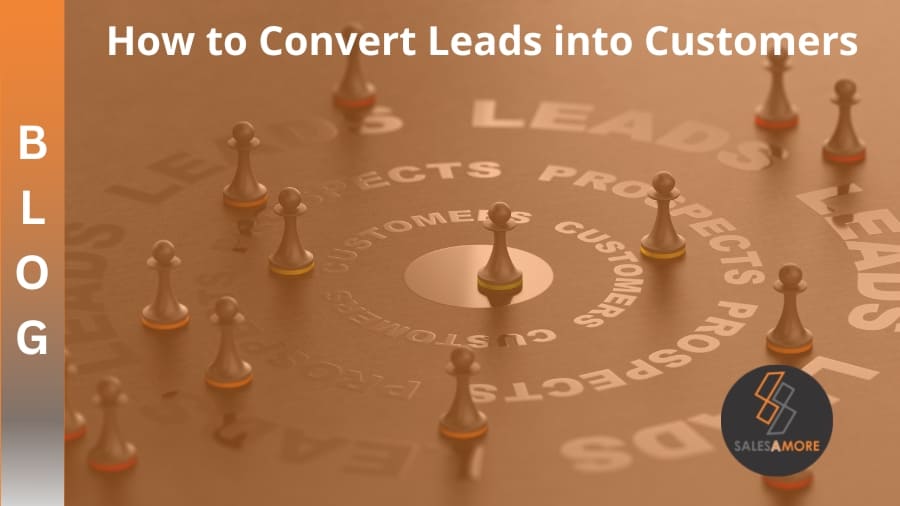
How to convert leads into customers
How To Convert Leads into Customers Introduction In the world of business, getting more customers is crucial to success. While advertising is a popular way to achieve this, it can be expensive, especially for those with limited resources or starting out in their business. A lot of people think that the best way to get more customers is by spending a lot of money on advertising. This is partly true if you have a large budget, but it’s also true if you have limited resources or are just starting out in your business. The key is finding the right channels and setting up ways to communicate with potential customers so that they know about your product or service (& want it). This can be done through email marketing campaigns or even just sending out one simple email about how great your product is! Here are some tips for converting leads into real customers: Join 10k+ Entrepreneurs To get valuable free insights delivered straight to your inbox Subscribe You have been successfully Subscribed! Ops! Something went wrong, please try again. Related Posts B2B Sales Cracked ! In-Depth Analysis & Tips Book a Free Consultation Communication You’ll want to communicate with your leads in a way that is consistent and personal. Your communication should be clear, concise, and easy to understand. It’s also important to maintain a sense of urgency when communicating with your customers so that they know you are serious about helping them achieve their goals. Once you have created an effective lead generation strategy, it’s time for you and the sales team to work together on converting those leads into customers! A lot of businesses struggle with lead generation. The key to success is having a strategy in place that you can follow consistently, and then working together as a team to execute it effectively. If you’re looking for help creating a lead generation strategy and getting your team on the same page, contact us today! 10 Habits of Successful Salespeople Focus on Target Audience A good way to start is by identifying your target audience. This may sound obvious, but it’s important to understand that your customers are not a homogeneous group—they experience different things, make different purchases and have varying needs. The best way to find out who they are is by getting their feedback on what they like and dislike about their current experiences with your brand or product. Once you’ve identified this group of people (and ideally narrowed down some specific demographics), it’s time to focus on them directly. While it’s important to have a general idea of what your audience wants, you also need to be able to cater specifically. This means taking into account the different ways that people use technology and how they interact with brands online. For example: In order to understand your audience better, you must first know who they are. Follow up Follow up with all leads. You should follow up with each lead who is interested in your product or service, regardless of when you first contacted them. This is known as a “cycle-to-close” strategy and it’s critical for generating more sales from each lead because it shows that you’re serious about converting people into customers. You could use email, text messages, social media platforms like Facebook or LinkedIn groups to reach out to your prospects directly at any point during their journey through the buying process (and even after they’ve made their decision). It’s also important to track every communication channel through which you interact with potential clients so that you can increase customer engagement rates by providing targeted content based on what they’ve expressed interest in before actually becoming customers themselves! Develop your Offer Once you have a good understanding of who your customers are and what they want, it’s time to develop your offer. Have a clear offer: The first step in creating an effective lead generation strategy is having a good understanding of how your target audience thinks about their needs and wants. This will help guide the creation of your offers so they’re relevant to them and easy for them to understand. Make the offer easy-to-understand: Your goal here is not only making sure that prospective customers can understand what’s being offered but also making sure they’ll want those things enough that they’ll take action on them (for example, signing up for a newsletter). It’s important not only because no one likes feeling confused by marketing materials but also because when potential leads feel like they’re being given something valuable without knowing exactly why or how much value there is in it—it causes confusion around whether or not this person actually needs what we’re offering them! Take these steps to get more customers Focus on a target audience. Follow up with customers. Develop your offer and make it more compelling than the competition’s offer by adding value to your product or service, such as offering free shipping, or having a longer warranty on parts that break down often (which will help keep customers coming back) You can also use social media to your advantage by creating a Facebook business page, or Twitter account if you already have one. Use these platforms as an opportunity to interact with customers and answer their questions about your product or service. This will help create a rapport between you and your audience. Conclusion: In conclusion, converting leads into customers requires a strategic approach that involves effective communication, focusing on the target audience, following up, and developing a compelling offer. Whether you are just starting out or have a large customer base, there are plenty of ways to improve your numbers. The key is to find out what works for your business and start small, then grow from there. By implementing these tips, you can increase your chances of converting leads into loyal customers and achieve success in your business.
